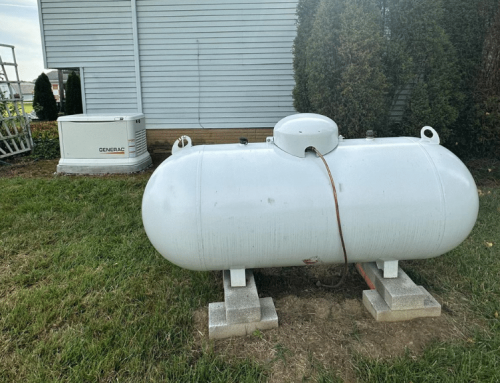



A whole house generator Ohio system is designed to power your entire home during an outage. Unlike smaller solutions, it supports all major systems and appliances.
For many homeowners, this type of generator offers convenience and stability. However, it is important to understand if it fits your specific needs.
Choosing the right solution depends on your home, lifestyle, and expectations.
What Is a Whole House Generator?
A whole house generator is a standby system connected to your home’s electrical panel. It is designed to supply power to all circuits during an outage.
The system works automatically. When power is lost, the generator starts within seconds.
A transfer switch manages the transition between utility power and generator power. This ensures safe operation.
Most systems run on natural gas or propane. This allows continuous operation without manual refueling.
How a Whole House Generator Ohio System Works
A whole house generator Ohio system follows a simple automated process. It is designed to operate without manual input.
The process includes:
- detecting the power outage
- starting the generator automatically
- transferring power to the entire home
- maintaining operation during the outage
- switching back when utility power returns
This ensures your home remains fully powered during interruptions.
Whole House vs Essential Circuit Generators
Not all standby generators power the entire home. Some systems are designed to support only essential circuits.
Understanding the difference helps you choose the right setup.
Whole house generators
These systems power all appliances and systems. This includes heating, cooling, lighting, and electronics.
Essential circuit generators
These systems power selected areas only. This may include lighting, refrigeration, and key outlets.
Whole house systems provide full coverage. Essential systems focus on priority areas.
Benefits of a Whole House Generator
A whole house generator offers several practical advantages. These benefits are often related to comfort and convenience.
Full-home operation
All systems continue to function during an outage. There is no need to prioritize certain circuits.
Consistent comfort
Heating and cooling systems remain active. This helps maintain indoor conditions.
Convenience
The system works automatically. There is no need to start or manage equipment during an outage.
Support for daily routines
Appliances, devices, and systems continue to operate. This reduces disruption to your schedule.
Long-term solution
Whole house generators are designed for continuous use. They are integrated into your home infrastructure.
When a Whole House Generator Makes Sense
A whole house generator is not necessary for every home. However, certain situations make it more suitable.
It may be a good option if:
- you want full-home power during outages
- your home relies on multiple electrical systems
- you experience frequent or long outages
- you prefer automatic operation without manual setup
- you want to avoid disruptions to your routine
These factors can help determine if full-home coverage is useful for you.
Things to Consider Before Installation
Before choosing a whole house generator, several aspects should be evaluated.
Power requirements
A larger system is needed to support the entire home. This affects generator size and cost.
Installation space
The generator must be installed outdoors. It requires proper placement and clearance.
Fuel availability
Natural gas and propane are the main options. Availability may influence your choice.
Budget for whole house generator Ohio
Whole house systems involve higher initial costs. However, they offer broader coverage.
Long-term usage
Consider how often you expect to rely on backup power. This helps determine overall value.
Cost and Value Considerations for whole house generator Ohio
A whole house generator is an investment. The cost includes equipment, installation, and maintenance.
While the initial cost may be higher, the system provides full-home support. This can reduce disruptions over time.
For some homeowners, the value comes from convenience and stability. It also supports planning for unexpected outages.
Maintenance and System Reliability
Whole house generators require regular maintenance. This helps ensure the system remains ready.
Maintenance tasks include inspections, oil changes, and system testing. These steps support long-term performance.
Many systems include automatic testing features. These run the generator periodically to confirm readiness.
Remote monitoring may also be available. This allows you to track performance and receive alerts.
Is a Whole House Generator Ohio the Right Choice?
A whole house generator Ohio system is suitable for homeowners who want full coverage during outages. It supports all systems without manual effort.
However, it may not be necessary for every situation. Some homeowners may prefer a smaller system for essential circuits.
The right choice depends on your home and expectations. Evaluating your needs helps guide the decision.
Conclusion – whole house generator Ohio
A whole house generator Ohio system provides full-home backup power during outages. It supports comfort, convenience, and daily routines.
Understanding how these systems work helps you decide if they are suitable for your home. Factors such as power needs and usage play an important role.
If you are considering installation, speaking with a professional team can help clarify your options. They can recommend a system based on your requirements.
For more information, contact Ohio Generator Systems or explore available solutions online. You can also follow us on social media for updates and useful insights.