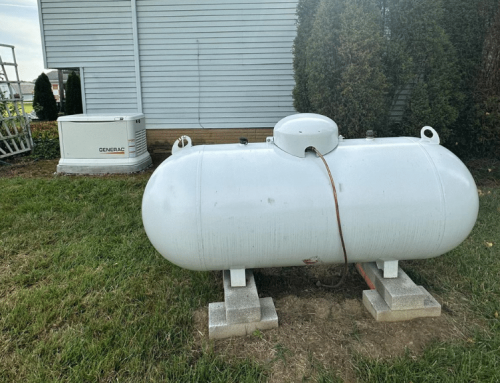



home backup generator Ohio solution can help keep your home running during power outages. Storms, grid failures, and unexpected issues can interrupt electricity at any time. For many homeowners, this creates discomfort and sometimes safety concerns.
A home backup generator offers a way to maintain power automatically when outages occur. It supports essential systems like heating, refrigeration, lighting, and security. Before installing one, it is important to understand how these systems work. You should also know what to expect from installation and long-term use.
What Is a Home Backup Generator?
A home backup generator is a permanently installed system connected to your home. It activates automatically when your main power supply stops.
Unlike portable generators, it does not require manual setup. The system is connected to your electrical panel through a transfer switch. This switch detects outages and transfers power safely to the generator.
Most systems run on natural gas or propane. This allows continuous operation without manual refueling.
How a Home Backup Generator Ohio System Works
A home backup generator Ohio system operates through a simple automated process. When the grid power stops, the system reacts within seconds.
The process usually includes:
- outage detection by the transfer switch
- automatic generator startup
- power transfer to selected circuits or the entire home
- continuous operation until grid power returns
- automatic shutdown after power is restored
This process happens without user intervention. It allows your home to remain functional during outages.
Key Benefits for Homeowners
Installing a home backup generator offers several practical advantages.
Continuous power during outages
Your home continues to operate without interruption. Important systems stay active even during long outages.
Increased comfort
Heating, cooling, and appliances continue to function. This reduces disruption to daily life.
Safety support
Security systems, lighting, and medical devices remain operational. This can be important during extended outages.
Automatic operation
The system works without manual input. There is no need to connect or start equipment during bad weather.
Integration with your home
The generator is connected directly to your electrical system. It operates as part of your home infrastructure.
Things to Consider Before Installation
Before installing a generator, several factors should be reviewed carefully.
Power requirements
Decide whether you want to power essential circuits or the entire home. This affects generator size and cost.
Fuel type
Natural gas and propane are the most common options. Each has different installation and availability requirements.
Installation space
The generator needs a proper outdoor location. It must follow safety and clearance guidelines.
Local regulations
Permits and inspections may be required. A professional installer will usually handle these steps.
Budget and long-term costs
Consider installation, maintenance, and fuel expenses. A generator is a long-term investment in your home.
The Installation Process Explained
The installation process involves several structured steps. Each step ensures safety and proper system performance.
Initial consultation
A technician evaluates your home and energy needs. They recommend the correct generator size and setup.
Site preparation
The installation area is prepared outside your home. A stable base is created for the generator unit.
Electrical connections
The generator is connected to your electrical panel. A transfer switch is installed for safe operation.
Fuel connection
The system is connected to natural gas or propane. This allows continuous fuel supply during operation.
System testing
The generator is tested to simulate a power outage. This ensures everything works correctly.
Final walkthrough
You receive instructions on system operation and maintenance. All documentation is provided at the end.
Maintenance and Long-Term Use
A home backup generator requires regular maintenance. This helps keep the system ready at all times.
Basic maintenance includes:
- periodic inspections
- oil and filter changes
- battery checks
- system testing
Many homeowners choose maintenance programs for convenience. These services help prevent unexpected issues.
Modern systems may include remote monitoring features. This allows you to track performance and receive alerts.
When a Home Backup Generator Makes Sense
A generator is not necessary for every home. However, some situations increase its value.
It may be useful if:
- your area experiences frequent outages
- you rely on electric heating or cooling systems
- you work from home
- you store perishable goods regularly
- you need consistent power for medical devices
In these cases, backup power can support daily stability.
Conclusion – home backup generator Ohio
A home backup generator Ohio system can provide stability during unexpected outages. It supports comfort, safety, and daily routines without interruption.
Understanding how the system works helps you make informed decisions. Choosing the right setup depends on your home and energy needs.
If you are considering installation, it is useful to speak with a professional team. They can guide you through the process and recommend a suitable solution.
For more information, contact Ohio Generator Systems or explore available options online. You can also follow us on social media to stay updated with useful insights and tips.