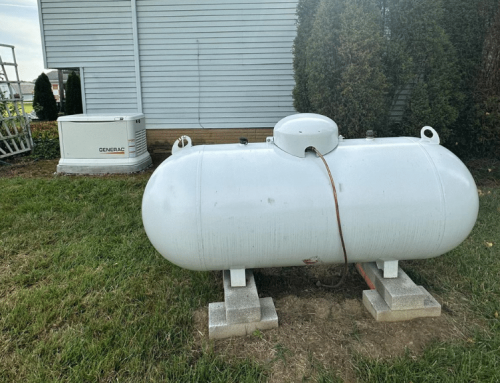



A standby generator Ohio solution is often considered when homeowners want reliable backup power. Power outages can happen without warning and may last for hours or days. Choosing the right type of generator depends on your needs and lifestyle.
Many homeowners compare standby generators with portable units before making a decision. Each option has its own advantages and limitations. Understanding these differences can help you choose a suitable solution for your home.
What Is a Standby Generator?
A standby generator is a permanently installed system connected to your home. It operates automatically when the main power supply is interrupted.
The system is connected through a transfer switch. This switch detects outages and starts the generator within seconds.
Standby generators are usually powered by natural gas or propane. This allows them to run continuously without manual refueling.
They are designed to support either essential circuits or the entire home. The setup depends on your energy requirements.
What Is a Portable Generator?
A portable generator is a smaller, mobile unit used during temporary outages. It must be manually started and connected when needed.
These generators typically run on gasoline. Fuel must be added regularly during operation.
Portable units are often used to power a limited number of appliances. Extension cords are usually required to connect devices.
They are commonly used for short-term or occasional backup power needs.
Standby Generator Ohio vs Portable Generator: Key Differences
A standby generator Ohio system differs from portable generators in several important ways. Understanding these differences helps clarify which option fits your home.
Installation
Standby generators require professional installation. They are connected to your electrical system and fuel supply.
Portable generators do not require installation. They are used only when needed and stored when not in use.
Operation
Standby generators operate automatically during an outage. They require no manual action from the homeowner.
Portable generators must be manually started. You also need to connect devices each time.
Power capacity
Standby systems can power multiple circuits or the entire home. This includes major appliances and systems.
Portable generators usually support limited devices. These include lights, refrigerators, or small appliances.
Fuel supply
Standby generators use natural gas or propane. This allows continuous operation without refueling.
Portable generators run on gasoline. Fuel must be stored and added manually during use.
Safety
Standby generators are installed according to safety standards. They are positioned outside and connected properly.
Portable generators require careful handling. Improper use can create safety risks, including carbon monoxide exposure.
Noise level
Standby generators are designed for quieter operation. They run at lower speeds compared to many portable units.
Portable generators may produce more noticeable noise during use.
When a Standby Generator Makes Sense
A standby generator is suitable for homeowners who want consistent and automatic backup power. It is often chosen for long-term reliability.
It may be a good option if:
- your area experiences frequent or extended outages
- you want automatic power without manual setup
- you need to power essential systems continuously
- you work from home or rely on stable electricity
- you prefer a permanent solution integrated with your home
Standby generators are designed for convenience and long-term use.
When a Portable Generator May Be Enough
Portable generators can be useful in certain situations. They are often chosen for occasional or short outages.
A portable unit may be suitable if:
- outages are rare and short
- you only need to power a few devices
- you want a lower initial investment
- you are comfortable with manual operation
- you have a safe place to store and use the unit
For some homeowners, this option provides enough support during temporary outages.
Cost Considerations for a standby generator
Cost is often a deciding factor when choosing between generator types. Each option has different upfront and long-term costs.
Standby generators involve installation, equipment, and connection costs. They also require periodic maintenance.
Portable generators have a lower initial cost. However, they require ongoing fuel purchases and manual operation.
Over time, the value of each option depends on usage and needs.
Maintenance and Reliability
Standby generators are built for regular use and long-term reliability. They require scheduled maintenance to remain ready.
Many systems include automatic testing features. These ensure the generator is prepared for outages.
Portable generators also require maintenance. However, they may not be used frequently. This can lead to issues if not maintained properly.
Reliability is often higher with standby systems due to automatic operation and integration.
Choosing the Right Option for Your Home
Choosing between a standby and portable generator depends on your priorities. Both options provide backup power, but they serve different needs.
A standby generator offers automation, higher capacity, and long-term convenience. It works without intervention and supports more systems.
A portable generator offers flexibility and lower upfront cost. It requires manual effort and supports fewer devices.
Evaluating your home, lifestyle, and energy needs can help you make a clear decision.
Conclusion
A standby generator Ohio system provides a reliable and automatic solution for backup power. It supports your home during outages without manual effort.
Portable generators can still be useful for temporary or limited needs. However, they require more involvement during operation.
Understanding the differences between these options helps you choose a suitable system. Your decision should reflect how often you experience outages and what you need to power.
If you want a long-term solution, a standby generator may be worth considering. For more information, contact Ohio Generator Systems or explore available options online. You can also follow us on social media for updates and practical insights.